It’s one of the most common questions parents wrestle with, and one of the most guilt-laden: is my child too little for this? Two can feel impossibly small to be waving goodbye at a classroom door — and yet plenty of two-year-olds thrive in the right setting. So which is it?
The honest answer is that age is the wrong thing to fixate on. This article is about the better question — not “how old should they be?” but “is my child ready, and is this setting right for a child this age?” We’ll look at the readiness signs worth watching for, why the quality of the setting matters more than the birthday, and what a two-year-old specifically needs.
Why There’s No Single Right Age
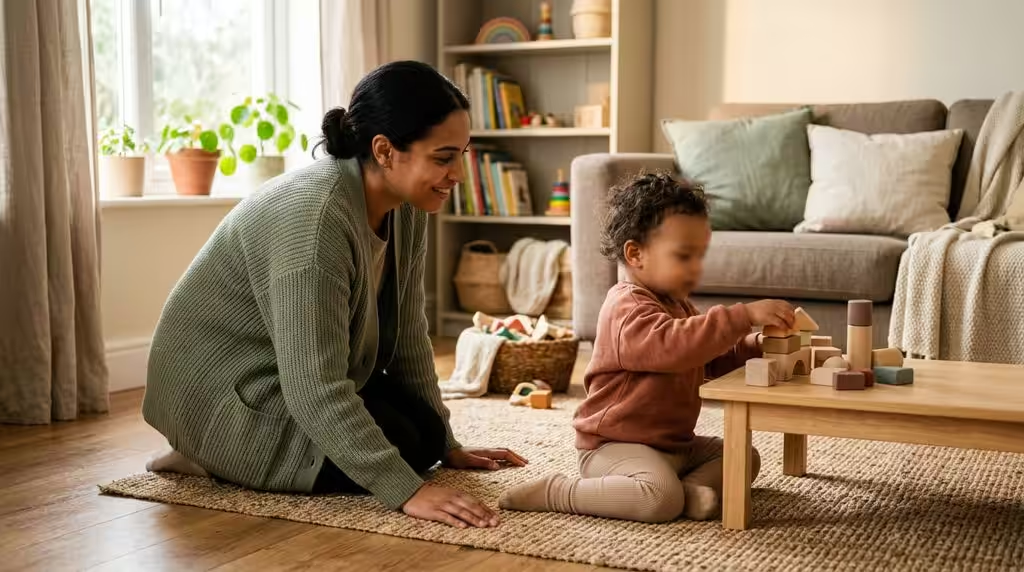
It would be easier if there were a magic number, but there isn’t. Whether a child is ready to start depends on three things at once: the child’s own temperament and development, your family’s situation, and — crucially — the quality and style of the setting available. A calm, responsive, gently paced programme can suit a two-year-old beautifully; a rushed, over-full one can be too much for a three-year-old. So the age on the birth certificate tells you far less than these three things together.
The right time to start isn’t a birthday — it’s a readiness you can actually see.
Readiness Signs Worth Watching For
Instead of counting candles, watch your child. A few gentle signs suggest a child is ready for a first setting: they can be comforted by another trusted adult, even if they’d still rather have you; they show curiosity about other children, toys or a new space once they’ve warmed up; they can handle small transitions, like leaving the park, with a bit of help; and they can make their needs known somehow — words, gestures, pointing. None of these has to be perfect. Taken together, they matter far more than whether a child has turned two or three.
Quality and a Gentle Start Matter More Than the Birthday
Here’s the reassuring part: for a younger child, how they start matters more than when. A setting that eases children in gradually, keeps groups small, and responds warmly to a wobble can make an early start work well — and the settling-in itself, which we cover in our guide to the adjustment period, is usually more about the approach than the age. When you’re weighing a school for a very young child, prioritise stability, warmth and responsiveness over anything that markets itself as “academic.” Our checklist for choosing a good preschool can help you judge that.
How We Structure the Early Years at Sun Preschool
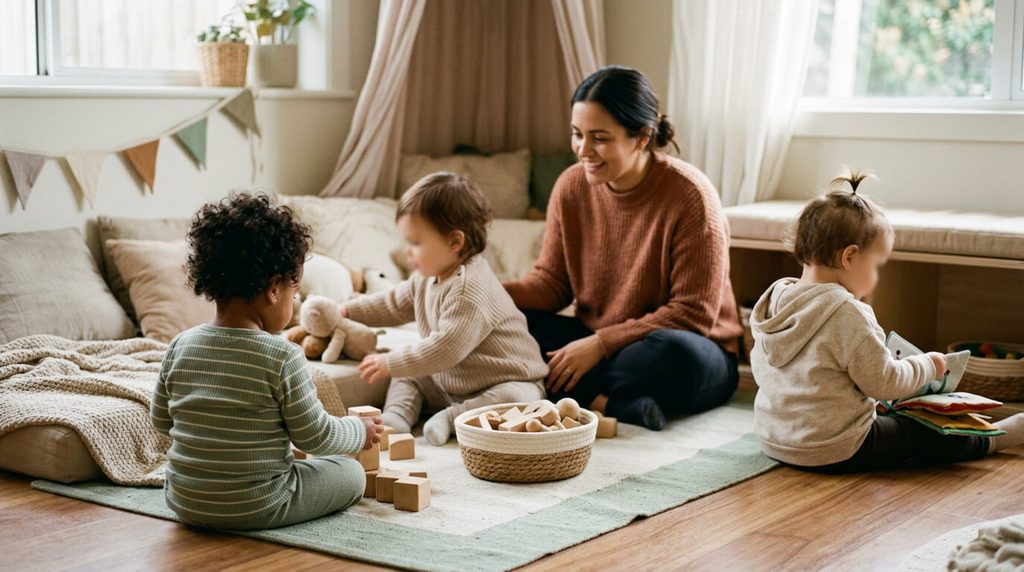
At Sun Preschool, our youngest children — our two-to-three-year-olds, the “Minik Tırtıllar” (Little Caterpillars) — have a cohort built specifically for this first big step, before they grow up through the school towards our oldest group, the “Kelebekler” (Butterflies), at five to six. For the youngest, that means a gentler pace, more hands-on comfort, and a settling-in that follows the child rather than a calendar. Starting young works when the setting is designed for it — and ours is.
If you’re unsure whether your two-year-old is ready, the best thing is rarely to decide on paper. Come and see how our youngest children spend their day, and you’ll get a much clearer feel for whether it’s right for yours.
The Takeaway: Watch the Child, Not the Calendar
Two isn’t too young in itself, and three isn’t a guarantee. What matters is whether your particular child shows the gentle signs of readiness, and whether the setting you’re considering is genuinely built for children that age — warm, patient, and unhurried. Judge those, trust your read of your own child, and you’ll make the right call.
If you’d like help weighing it up for your child, we’d be glad to talk it through and show you around Sun Preschool.
References & Further Reading
- ZERO TO THREE — Encouraging School Readiness From Birth to 3
- ZERO TO THREE — Your Child’s Development: Age-Based Tips From Birth to 36 Months
- American Academy of Pediatrics (HealthyChildren.org) — Why Quality Matters in Early Child Care & Preschool
Frequently asked questions
Is it bad for my child to start at two rather than three?
Not at all, provided the setting is built for a child that age. Plenty of two-year-olds do beautifully in a warm, responsive, gently paced programme with small groups and a gradual start. What would be too much is a rushed, over-full setting — but that’s about the quality of the place, not your child’s age. Judge the setting, not the birthday.
My child isn’t toilet-trained yet — can they still start?
Often, yes — many settings that take younger children expect this and are set up to support toilet learning as part of the day. Policies vary, so ask the specific school. But a child not yet being toilet-trained at two is completely normal and rarely a reason to wait, as long as the setting is prepared for it.
How do I know if my particular child is ready?
Watch for the gentle signs rather than the calendar: can they be comforted by another trusted adult, are they curious about other children once settled, can they manage small transitions, and can they make their needs known somehow? You know your child best — and a good school will happily talk through where your child is and whether their youngest group is a fit.