

“It’s her first time at preschool. Would half days be better?” “I work full-time. Will a full day wear him out?” There’s no single answer that suits every family. The right choice meets your child’s day-to-day needs and gives your family a routine you can actually keep up. How the hours are spent matters as much as how many there are.
Think about meals, rest, free play and your child’s relationship with their teachers. Be open about the care your family needs, too. Weighing up your working hours doesn’t mean you’re putting your child’s needs second.
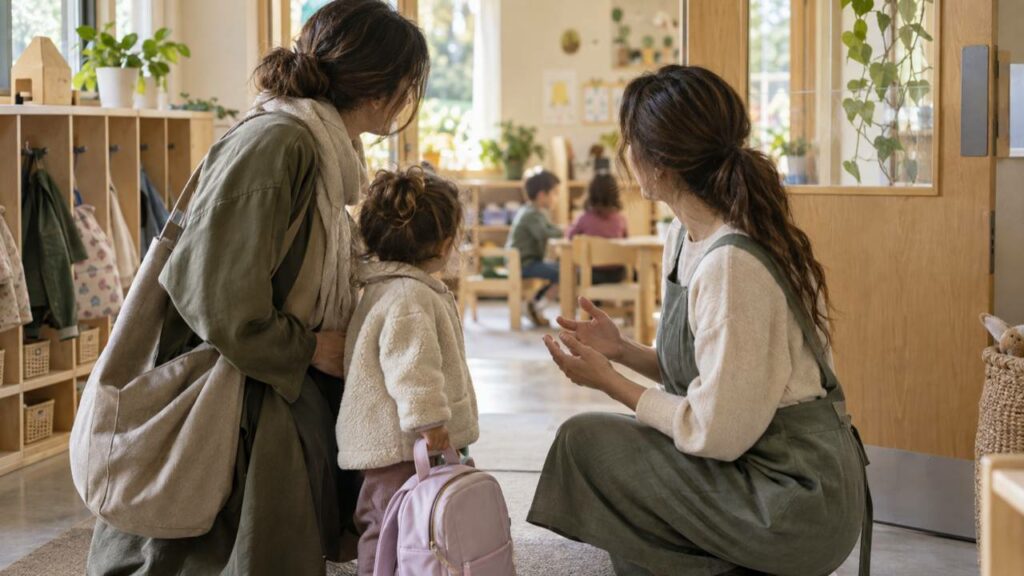
What Does a Half Day Offer?
In most preschools, a half day covers the morning learning time and, depending on the school, one or more meals. In the afternoon, your child moves on to other care. So it’s worth thinking about the rest of the day too: who they’ll be with, and what it will look like.
For some families, preschool in the morning and a rest at home works really well. For others, leaving work for an early collection and handing over to another carer can mean more travelling and more changes in the day. “It’s shorter, so it must be easier” isn’t always true.
Questions to ask the preschool: Which meals are served before collection? Which activities will my child join? Where do they rest? How does the morning work alongside the full-day children in the same group? If you are building a routine in a new city, see our guide for families moving to Istanbul; for local journeys, try our Bahçeşehir preschool guide.
What Does a Full Day Offer?
A full day can leave time for lunch, rest, and afternoon play or specialist lessons. A full day is not a full day of lessons. A good programme balances busier and quieter times.
For a long day to go well, a child needs to be able to rest, to ask for help when they need it, and to have adults they trust. Packing the afternoon with one activity after another doesn’t, on its own, make a full day better.
Ask about outdoor time, a quiet corner and free play. What do children who don’t sleep do? How do teachers notice when a child is tired? How do adults look after the children at the end of the day? The answers help you picture how your child would spend those hours.
What Should Guide Your Choice?
Your child’s past experience of groups, how much sleep they need and how they cope with changes in their day are all useful to talk through. Age on its own doesn’t decide whether a full day is “fine” or “too much”.
Weigh these up together:
- Travel: How much longer does the journey make the whole day?
- Rest: How will their need for sleep or quiet time be met?
- Continuity of care: Who will they be with after preschool, and where?
- Settling in: How will they build trust in a new setting?
- Family routine: Can you genuinely keep this up?
- Keeping an eye on things: How will you know if they’re struggling, and who will you talk to?
Don’t take one tearful morning as proof you’ve picked the wrong option. Our guide to settling in explains the difference. If the difficulty carries on, talk to the teacher about your child’s daily pattern. Take our preschool checklist along to help assess the setting as a whole.
Can We Start With Half Days and Move to Full Days Later?
Some preschools can arrange a switch, depending on the arrangements they offer and the places available. Rather than assume it, talk about it before you register. Be clear on when a change is possible, what it means for fees and your contract, and how the daily routine and collection times would change.
Don’t confuse a settling-in plan with a permanent half-day place. Agreeing shorter days with the teacher at the start doesn’t automatically entitle you to a different arrangement. Work out what your child needs first, and then how the preschool can make that happen.
The right length of day is one that makes room for your child’s needs and that your family can keep up.

How Are the Hours Arranged at Sun Preschool?
Sun offers both half-day and full-day places. This is how our opening hours and core programme fit together:
| Arrangement | Hours |
|---|---|
| Half day | 07:30–13:00 |
| Full day | 07:30–18:30 |
| Core learning programme | 09:00–16:00 |
Half-day children have both breakfast and lunch with us. Early arrival and care at the end of the day are separate from the core learning programme. A half day may not include all of the afternoon activities. When we meet, we can go through your child’s age-group plan and which parts of the day they’ll take part in.
Our guide to naps and rest has more on sleep and quiet time. You’ll find what shapes fees in our guide to preschool fees, and how to apply on our admissions page.
What to Watch for Once You’ve Decided
Look at tiredness at the end of the day, dinner, sleep and how the next morning starts. Ask the teacher how your child joins in and rests at school. “He’s unsettled at home” doesn’t explain the school day on its own; what you notice and what the teacher notices make more sense together.
If your child keeps struggling, talk about whether something needs to change. That won’t always mean a shorter day: rest time, the journey, the evening routine or the support they get in their group can all be looked at. Coming back to the decision later isn’t a failure.
If you’d like to talk about the right daily routine for your child and your family, you can arrange a visit. We’ll sit down together to talk through your questions.
References & Further Reading
Frequently asked questions
Should a two-year-old only go for half days?
There’s no rule that fits every child. Think about sleep, care needs and the support they’ll get as they settle in. Ask the preschool how they shape the day for their youngest group.
Does a full day mean my child will learn more?
The number of hours doesn’t tell you about quality. What matters is how interaction, play, movement and rest are balanced. Look at how your child joins in.
Are there lessons at Sun until 18:30?
No. The core programme runs from 09:00 to 16:00. The earlier and later hours are part of the daily arrival and care arrangements. We can go through the details for your child’s age group when we meet.
Can we change once we’ve started on half days?
Talk to the school’s leadership about whether a switch is possible. Places and registration terms may affect it. Wait until the school confirms the change before planning around it.